



Cumulative Orders Reach $56 Million, with Further Deals Expected to Drive Growth
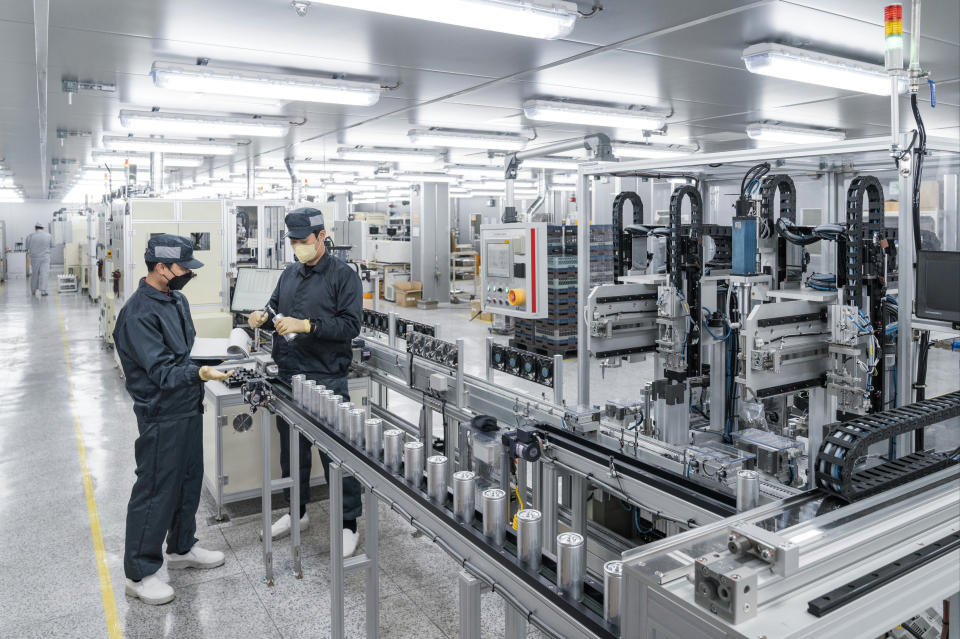
LS Materials is expanding into the artificial intelligence data center (AIDC) power infrastructure market after securing a major ultracapacitor (UC) supply contract with a U.S.-based hydrogen fuel cell company.
LS Materials announced on October 13 that it had signed a contract worth approximately $51.5 million, or around KRW 69 billion, to supply UCs for AI data center applications. The deal represents the largest export contract ever secured by a South Korean company in the ultracapacitor industry.
The contract value is approximately 2.4 times LS Materials' separate revenue of KRW 29 billion last year, highlighting the potential scale of the new business opportunity.
Deliveries are scheduled to begin in April 2027 and continue over approximately one year. The company is also discussing additional supply agreements with the customer, raising the prospect of further order growth.
The latest deal follows an initial supply agreement worth approximately $4.7 million, or KRW 6.3 billion, signed with the same company in July. Shipments under that agreement are scheduled to begin in November this year.
Including the latest contract, LS Materials' cumulative orders from the customer have reached approximately $56 million. The company expects total orders to exceed $100 million if additional agreements are secured by the end of the year.
The contract marks LS Materials' first supply agreement for ultracapacitors used in AI data center infrastructure. The company has traditionally focused on industrial applications, including wind turbines, automated guided vehicles (AGVs), and uninterruptible power supply (UPS) systems.
Entering the AIDC market will allow LS Materials to diversify its customer base and pursue new growth opportunities in the rapidly expanding AI infrastructure sector.
Ultracapacitors are energy storage devices capable of rapidly charging and discharging large amounts of electricity. They help stabilize power output by responding to sudden fluctuations in electricity demand, making them particularly useful in power systems that require reliable and consistent energy delivery.
In hydrogen fuel cell systems, UCs can compensate for rapid changes in power demand, helping stabilize output and improve overall system performance.
The rapid growth of generative AI and high-performance computing is driving increased electricity demand at data centers worldwide. As operators seek reliable power infrastructure to support increasingly demanding workloads, interest in alternative power generation technologies, including hydrogen fuel cells, is also growing.
This trend is expected to create additional demand for ultracapacitors capable of managing short-term power fluctuations in fuel cell-based generation systems.
The market for medium- and large-sized UCs requires advanced technological capabilities, including high output performance, reliability, and system integration expertise. With only a limited number of global suppliers possessing the necessary capabilities, LS Materials sees opportunities to strengthen its position as demand for AI data center power solutions expands.
The company plans to leverage its expertise in medium- and large-sized ultracapacitors to pursue further business opportunities in the global market.
The latest contract represents more than a significant export achievement. It also signals a strategic shift toward higher-growth applications linked to AI infrastructure and next-generation power systems.
By applying its existing UC technology to hydrogen fuel cell systems for AI data centers, LS Materials aims to establish a new revenue stream while strengthening relationships with global customers.
The company will focus on fulfilling the contracted deliveries on schedule while continuing negotiations for additional orders. Successful execution and further customer agreements will be important factors in determining the pace of its expansion into the AIDC market.
Hong Young-ho, CEO of LS Materials, said the agreement was significant because it established a new growth foundation through the company's entry into the hydrogen fuel cell market for AI data centers.
He added that LS Materials would strengthen cooperation with customers and expand its global presence by leveraging its technological capabilities in medium- and large-sized ultracapacitors.
LS Materials plans to build on the latest agreement to expand its role in AI data center power infrastructure, positioning its UC technology to capture emerging demand for stable and reliable electricity supply systems.
