



South Korea is stepping up efforts to help its pharmaceutical and biotech companies enter Southeast Asia’s public procurement market, using Singapore as a regional gateway. The move comes as Korean drug exports have gained scale and policymakers look beyond conventional export growth towards regulatory access, public tenders and supply-chain participation.
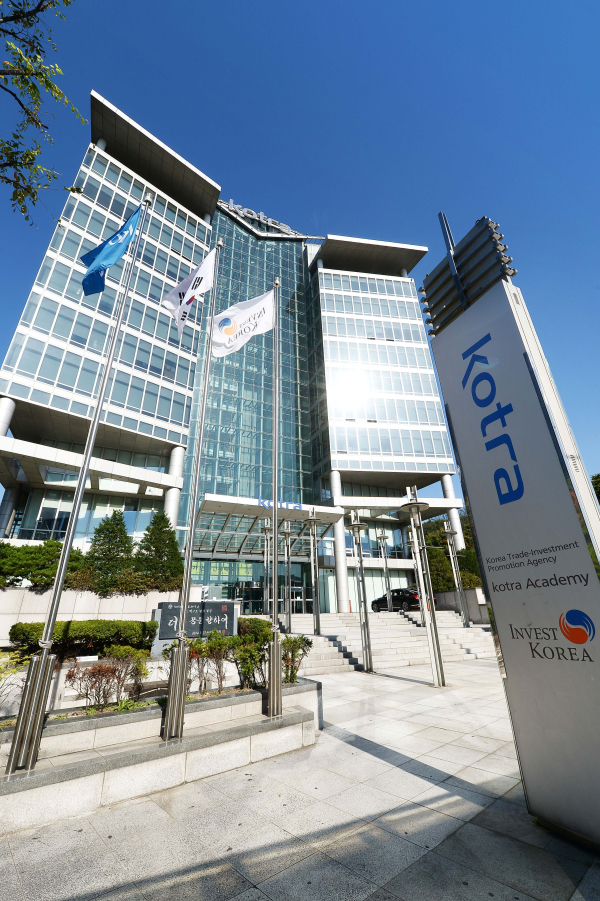
The Ministry of Trade, Industry and Energy, together with KOTRA, the Korea Pharmaceutical and Bio-Pharma Manufacturers Association, and Singapore’s Ministry of Trade and Industry, held a webinar on March 30 aimed at supporting Korean companies seeking entry into Singapore’s public pharmaceutical procurement market. The event was presented as a follow-up measure to the Korea-Singapore Supply Chain Partnership discussed during a summit between the two countries on March 2.
Singapore’s domestic market is relatively small, with a population of around 5mn, but its influence extends beyond its size. In 2025, South Korea’s pharmaceutical exports to Singapore reached $320mn, making it the country’s fourth-largest pharmaceutical destination within ASEAN. More importantly, Singapore holds outsized weight in setting regulatory and policy direction across the region, giving it strategic importance for companies seeking broader Southeast Asian market access.
That role is especially relevant in pharmaceuticals, where regulatory credibility often matters as much as market size. According to the briefing, reviews conducted by Singapore’s health authorities are widely regarded as a regional reference point, in a way that carries influence across ASEAN markets. For Korean drugmakers, securing a foothold in Singapore could therefore serve not only as a sales opportunity but also as a platform for wider regional expansion.
Recent changes in Singapore’s procurement approach may also work in Korea’s favour. The city-state’s procurement authorities have been seeking to diversify import sources as part of a broader supply-chain security effort, creating an opening for suppliers able to offer both product quality and delivery reliability. That combination is increasingly important in public healthcare procurement, where resilience has become part of the evaluation logic.
Officials from the Singapore side used the webinar to explain practical requirements for market entry, including healthcare conditions, product registration rules, regulatory standards, subsidy structures, tender procedures and evaluation criteria. About 20 Korean pharmaceutical companies joined the session, reflecting rising interest in Singapore not simply as an export destination but as an institutional gateway into the region’s public healthcare market.
KOTRA said it plans to build a more structured support channel with Singaporean government bodies and related institutions. The support is expected to include one-on-one consultations with procurement agencies and local distributors, customised advisory services, assistance with product registration, and links to local vendors.
The initiative also fits into a broader Korean policy push to position bio as one of the country’s eight strategic export industries. Pharmaceutical exports exceeded $10bn for the first time last year, reaching $10.7bn, and the policy focus is now shifting from headline export growth towards the infrastructure needed for sustained overseas market entry. In that sense, the Singapore initiative marks an attempt to translate industrial policy into a more operational market-access strategy.
