



Samsung Electronics reported record-breaking second-quarter earnings, driven by surging demand for artificial intelligence (AI) memory chips and high-value semiconductor products. While its semiconductor business delivered exceptional growth, the company's smartphone and consumer electronics division slipped into an operating loss due to rising component costs and slowing consumer demand.
The company announced on July 30 that it posted consolidated revenue of KRW 171.5 trillion and operating profit of KRW 89.5 trillion for the second quarter, marking increases of 28% and 56%, respectively, from the previous quarter. Both figures represent the highest quarterly results in Samsung Electronics' history.
The outstanding performance was led by the Device Solutions (DS) division, which oversees Samsung's semiconductor business. The division generated KRW 127.5 trillion in revenue and KRW 89.2 trillion in operating profit, accounting for nearly all of the company's overall earnings growth.
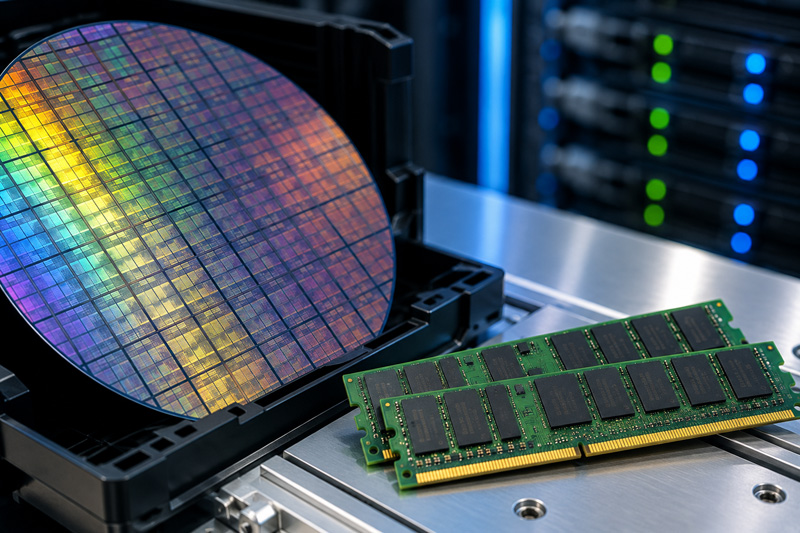
The rapid expansion of AI data centers and the emergence of agentic AI significantly boosted demand for server memory. Strong sales of high-bandwidth memory (HBM) and high-capacity DDR products played a central role in driving profitability.
Samsung's memory business achieved its best quarterly performance ever by focusing on supplying high-performance memory products that have become essential components for AI infrastructure. Continued investment by global technology companies in AI data centers accelerated demand for premium memory solutions used in next-generation servers, enabling Samsung to strengthen its product mix with higher-value offerings.
The company's growing competitiveness in HBM also contributed to its record earnings. Samsung expanded shipments of its sixth-generation HBM4 products while becoming the industry's first company to ship samples of seventh-generation HBM4E, reinforcing its technological leadership in next-generation AI memory. As HBM becomes increasingly critical to AI accelerator performance, demand is expected to continue rising alongside the expansion of AI ecosystems led by companies such as NVIDIA.
Samsung's System LSI business also showed signs of recovery. Despite slowing demand for mobile components overall, stronger sales of mobile application processors (APs) and image sensors helped the business achieve its highest first-half revenue on record. Increasing demand for advanced smartphone cameras and AI-enabled mobile features supported the improvement.
The foundry business likewise posted better results. Revenue increased on stronger demand for HBM base dies and products supplied to North American customers. Samsung also continued investing in advanced manufacturing technologies to strengthen its competitiveness and secure additional foundry orders.
In contrast, the Device eXperience (DX) division, which includes smartphones, televisions, and home appliances, reported weaker performance. The division generated KRW 48 trillion in revenue but posted an operating loss of KRW 800 billion during the quarter.
Although sales benefited from premium smartphones and AI-enabled consumer products, profitability was pressured by higher component prices, rising raw material costs, and weakened consumer spending.
To improve the performance of its consumer business, Samsung plans to further enhance AI capabilities across smartphones and home appliances while expanding subscription-based services and platform businesses. The company also intends to continue investing in future growth areas, including robotics.
Samsung's investment in future technologies reached another milestone during the quarter. Research and development spending totaled KRW 16 trillion, the highest quarterly level in the company's history, with continued investment focused on AI semiconductors, next-generation memory, advanced packaging technologies, and other strategic growth areas.
Industry analysts expect Samsung's second-half performance to remain closely tied to AI semiconductor demand. Continued investment in global data centers and intensifying competition in AI services are expected to sustain strong demand for HBM and server memory products. However, the recovery of consumer markets for smartphones and home appliances, along with improvements in foundry competitiveness, will remain important long-term challenges.
"Memory has evolved from a simple storage component into one of the most critical building blocks of AI infrastructure," an industry official said. "Samsung's ability to strengthen its HBM competitiveness and stabilize production will be a key factor in determining its future position in the global semiconductor market."
