



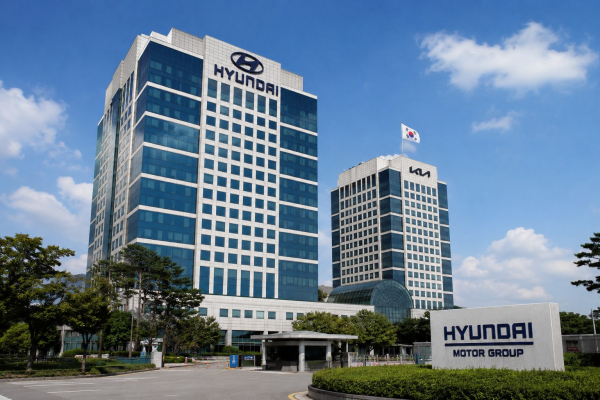
Hyundai Motor’s labor union has secured the legal right to strike after wage negotiations with management broke down, following a failed mediation process led by South Korea’s National Labor Relations Commission.
The commission announced on the 25th that mediation between Hyundai Motor’s union and management had ended in failure, stating that differences between the two sides were too wide to present a unified settlement proposal. Despite holding two rounds of mediation talks, the commission said it was unable to bridge the gap on key issues and concluded the process without issuing a formal mediation plan.
The breakdown centers on core demands raised by the union, including a significant increase in base wages, expanded performance-based bonuses, higher annual bonus rates, and an extension of the retirement age. The union has also pushed for a profit-sharing scheme tied to last year’s net income.
Management, meanwhile, has maintained that wage increases and bonus structures must reflect broader business conditions, including slowing global demand, rising investment needs, and heightened uncertainty in the automotive industry.
With the mediation officially terminated, the union has gained legal grounds to initiate industrial action. This follows a majority vote by union members supporting strike action in a recent internal ballot, meeting the legal threshold required under South Korean labor law.
The union plans to hold a central strike committee launch meeting on the 30th to decide the direction and scale of potential strike actions. However, further negotiations between labor and management may still influence the timing and intensity of any industrial action.
The dispute adds pressure to one of South Korea’s most influential industrial sectors, with Hyundai Motor representing a key bellwether for broader wage negotiations across the manufacturing industry.
