



SAN FRANCISCO —Tencent Cloud used this week’s Game Developers Conference in San Francisco to outline a broader push into artificial-intelligence tools for the games industry, covering player communication, security systems and development workflows.
The announcement on March 12 reflects a wider shift in the sector as cloud providers seek to move beyond infrastructure and hosting to offer services embedded more directly in the operation of online games. As multiplayer titles evolve into long-running live-service platforms, developers face growing pressure to manage global player bases, moderate communication and produce new content at faster cycles.
Tencent Cloud’s latest updates were concentrated in three areas: voice interaction for multiplayer titles, anti-cheat and network protection, and tools intended to accelerate asset creation and studio production processes.
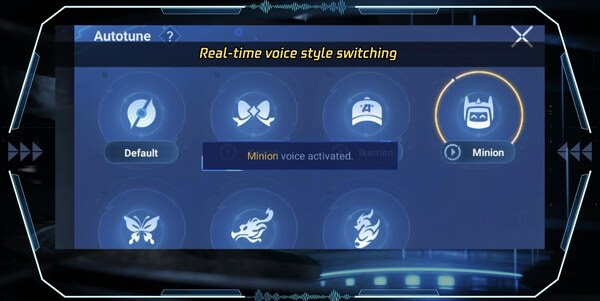
One of the central updates was GVoice, part of the company’s Game Multimedia Engagement Solution. The system adds AI-based features including automatic speech recognition, interruption handling, directional voice input, voice-changing tools and real-time translation. The platform can also connect with large language models and text-to-speech systems, enabling developers to experiment with conversational gameplay elements such as AI-driven characters or automated assistants.
Security tools were another focus of the announcement. Tencent Cloud highlighted services built around its EdgeOne platform and Anti-Cheat Expert, which are designed to address malicious traffic, cheating behaviour and account-related attacks in online games. The systems combine network-level protection with behavioural analysis to detect suspicious activity and help maintain stability in large-scale multiplayer environments.
The company also presented new production tools aimed at reducing development time. Its HY 3D engine generates 3D assets from text descriptions, images or sketches, while the Agent Development Platform supports workflow automation and knowledge retrieval within development teams. Such tools are intended to help studios manage increasingly complex pipelines as games expand in scope and production costs rise.
Tencent Cloud also referenced its role in supporting a range of global online titles, including PUBG MOBILE, Honor of Kings, Delta Force and Soul Knight Prequel. The company said the latest tools are designed to complement infrastructure services already used by large multiplayer games.
The announcements underline a broader industry trend in which AI is being integrated into multiple layers of game development and operations, from player interaction and moderation to asset production and live-service management.
