



Samsung aims to move beyond smartphones into the era of agentic AI computing
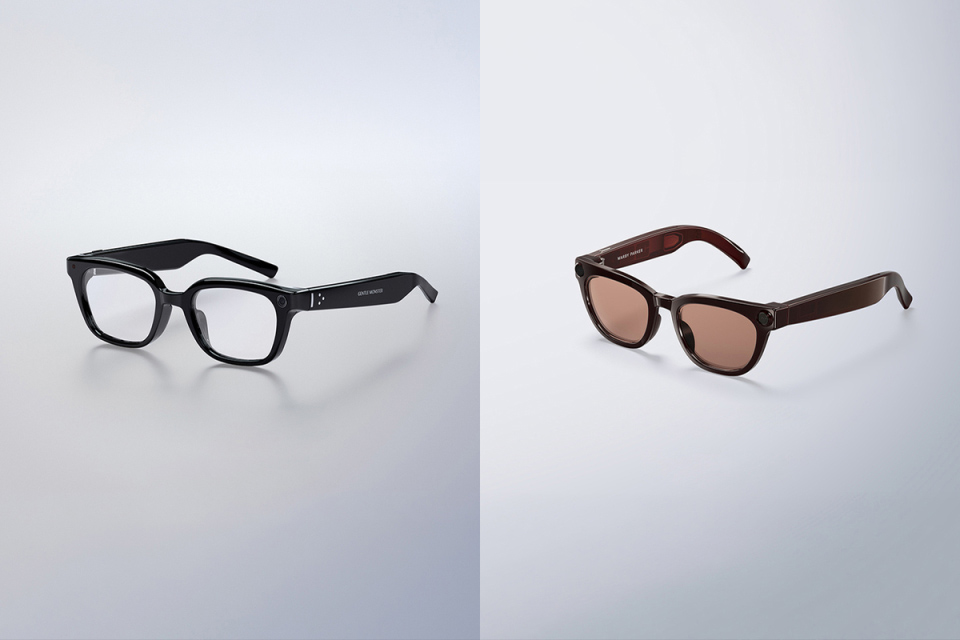
Samsung Electronics has unveiled the latest designs and key capabilities of its next-generation Intelligent Eyewear, marking a major step toward expanding artificial intelligence beyond smartphones and into everyday life.
The company introduced two new smart glasses at Galaxy Unpacked 2026 in London on July 22, bringing the total number of Intelligent Eyewear designs revealed this year to four, including two models first showcased during Google I/O 2026. Samsung plans to launch the devices later this year.
The new wearable represents Samsung's vision of moving AI from handheld devices into users' natural field of view. Instead of reaching for a smartphone, users will be able to check messages, translate conversations, receive navigation guidance, and search for information using voice commands, gestures, and contextual interactions.
Developed in collaboration with Google, the smart glasses are built on the Android XR platform, enabling AI to understand both the user's surroundings and ongoing conversations. The system can translate foreign-language menus or live conversations in real time while providing contextual navigation and information based on what the wearer is seeing.
Visual intelligence is another core feature of the device. Using the built-in camera, users can capture whiteboards, documents, or meetings, with the content automatically synchronized to Samsung Notes on Galaxy smartphones. The AI can also connect what the user is currently viewing with previous conversations or stored information, enabling more natural, context-aware interactions.
Samsung believes intelligent eyewear has the potential to evolve beyond a wearable gadget into what it describes as a "context-aware AI assistant." Rather than relying on users to interact with a screen, the device treats the wearer's gaze, surroundings, and intentions as direct inputs for AI services, allowing information to be delivered proactively and naturally.
Fashion also plays a central role in Samsung's strategy. The Gentle Monster edition features a slim black frame with a distinctive geometric silhouette designed to blend premium eyewear aesthetics with advanced technology. The Warby Parker version adopts a softer brown finish and a more traditional browline design, emphasizing everyday comfort and wearability.
Recognizing that smart glasses are intended for all-day use, Samsung has focused on minimizing weight while improving balance, durability, and overall comfort. The device integrates cameras, sensors, microphones, speakers, and Qualcomm's Snapdragon AR1 Gen 1 platform into a lightweight form factor. Battery life is rated at up to nine hours on a single charge, while the dedicated charging case provides up to seven additional charges.
Industry observers believe Samsung's entry could reshape the competitive landscape for AI-powered smart glasses. Although Meta currently leads the market through its Ray-Ban smart glasses, Samsung may gain an advantage by integrating intelligent eyewear with its existing Galaxy ecosystem of smartphones, smartwatches, earbuds, and AI services.
Partnering with Gentle Monster and Warby Parker also reflects Samsung's effort to position smart glasses as fashion accessories rather than purely technology products. Analysts say widespread adoption will depend not only on advanced AI capabilities but also on attractive design and consumers' willingness to wear the devices in everyday social settings.
Privacy remains one of the key challenges facing the emerging smart glasses market. Concerns surrounding always-available cameras and data collection continue to influence public acceptance. Samsung is expected to address these issues through visible recording indicators and additional privacy safeguards. AI accuracy, battery endurance, and competitive pricing will also play critical roles in determining market success.
With Intelligent Eyewear, Samsung is positioning itself for the post-smartphone era, where agentic AI can understand user intent, interpret surrounding environments, and proactively deliver assistance. As AI becomes increasingly integrated into daily life, industry experts expect new wearable form factors such as smart glasses to become central components of future personal computing.
Analysts also believe Samsung's move could transform competition from a race to build better hardware into a broader battle over AI ecosystems. How effectively Samsung integrates Intelligent Eyewear with the Galaxy platform may influence leadership in the next generation of AI-powered personal computing.
